Medicinal Plants
Asteraceae, Lamiaceae, Rosaceae, Fabacea, Apiaceae, Boraginaceae, Malvaceae, Solanaceae, Ranunculaceae, Scrophulariaceae, Berberidaceae, Caprifoliaceae, Geraniaceae, Linaceae, Oleaceae, Onagraceae, Salicaceae, Verbenaceae
Medicinal plants
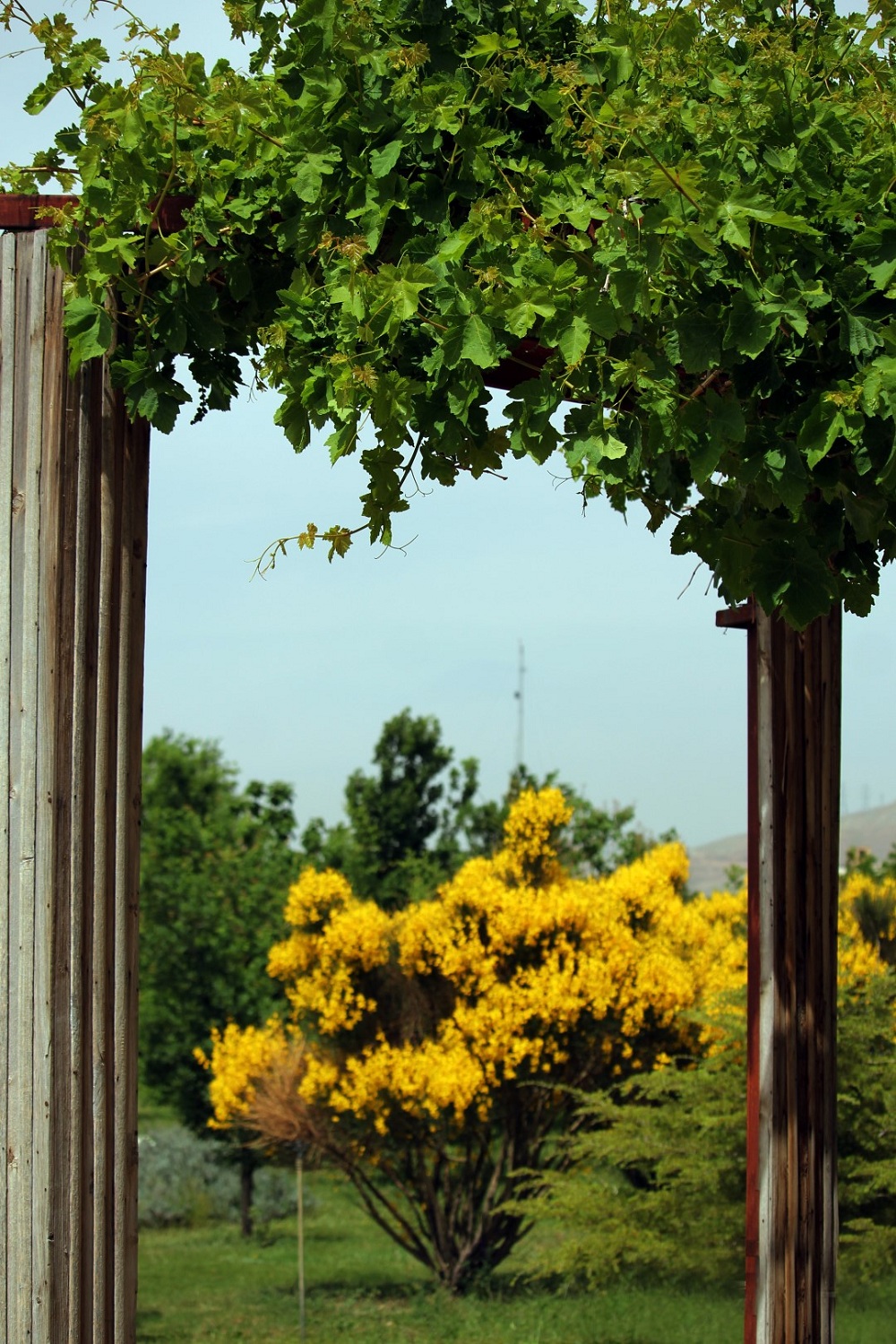
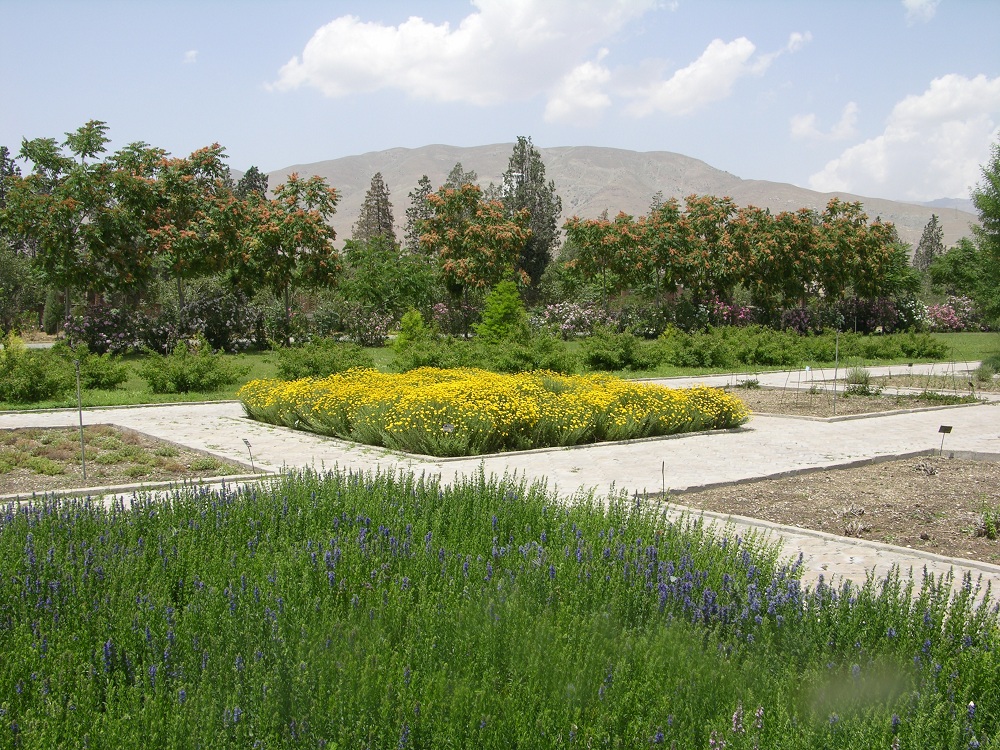
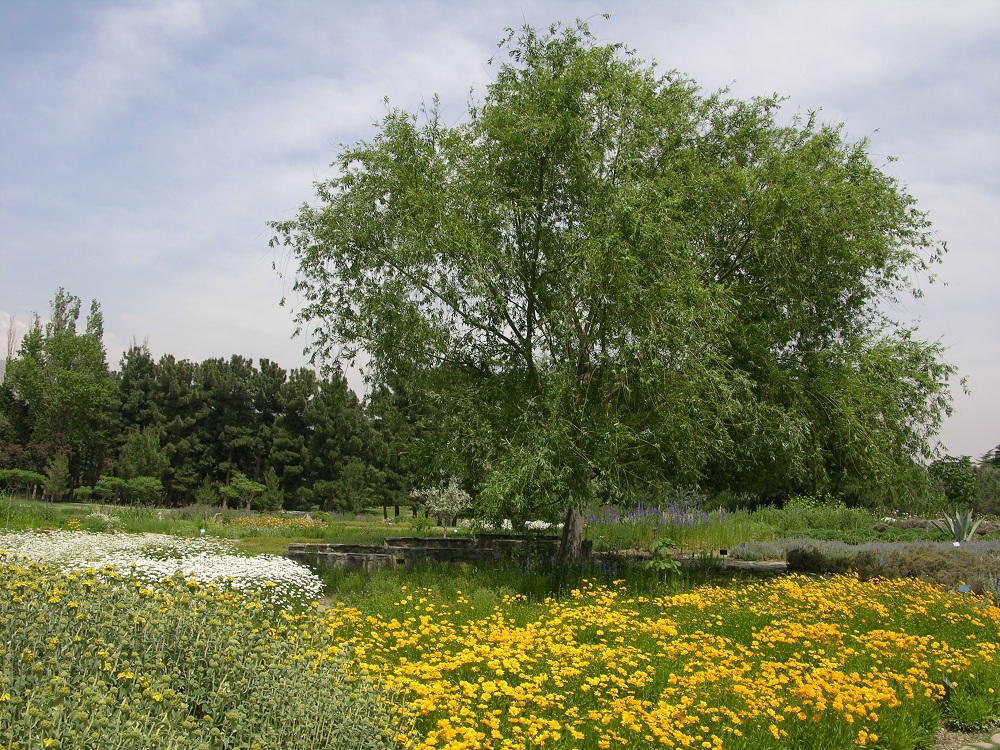
The garden of medicinal and industrial plants with an area of 5 hectares has been created to plant, check the establishment and conduct research on native and non-native medicinal plants and familiarize visitors with these plants.
In addition, the protection of the genetic diversity of native medicinal plants is another goal. The design of this garden is such that medicinal plants with special applications have been planted in separate plots and introduced. The great diversity of plants (especially among herbaceous plants) and the enjoyment of medicinal, aromatic or various industrial applications, as well as the naturalistic design and arrangement of planting in this plant complex, have created one of the most beautiful and eye-catching parts and It attracts many visitors throughout the different seasons of the year. This collection is divided into two collections: pharmaceutical and industrial-pharmaceutical. The medicinal section, in addition to 44 medicinal plots in rectangular shape, each dedicated to a specific medicinal species, is designed inspired by the shape of the distillation apparatus, and the resulting product, which is the production of herbal extract, symbolically springs forth as the water of life from the heart of the earth and flows through a winding stream, passing between rocks, stones, and various plants, ultimately pouring into a pond created for planting aquatic medicinal plants such as water lilies. The Industrial-Medicinal Plants section is designed as a gazebo in the shape of a wheel that is placed on field plots of industrial plants and displays the processing of industrial plant products. The number of plots of industrial plants includes 16 plots in the shape of a rectangle to display a variety of industrial crops such as castor, sunflower, hemp and cotton. Also, a greenhouse has been prepared to display a variety of medicinal and aromatic plants that are not possible to be planted in open areas in unfavorable seasons of the year. Some of the genera of medicinal and industrial plants planted in this garden are:
Anthemis, Anchusa, Borago, Calamintha, Cynara, Echium, Lamium, Malva, Marrubium, Mentha, Stachys, Salvia, Satureja, Thymus.
Although the present collection is at the beginning of a long road, but during the years of establishment and operation, it has met the educational and information needs of a large number of visitors to the National Botanical Garden of Iran, especially students of various disciplines, as well as many practitioners and producers of medicinal plants.
The most important plant families in this collection are:
Asteraceae, Lamiaceae, Rosaceae, Fabacea, Apiaceae, Boraginaceae, Malvaceae, Solanaceae, Ranunculaceae, Scrophulariaceae, Berberidaceae, Caprifoliaceae, Geraniaceae, Linaceae, Oleaceae, Onagraceae, Salicaceae, Verbenaceae
باغ گیاهان دارویی به مساحت ۵ هکتار برای کاشت، بررسی استقرار و انجام تحقیقات در مورد گیاهان دارویی بومی و غیربومی و آشنایی بازدیدکنندگان با این گیاهان ایجاد گردیده است. بهعلاوه حفاظت از تنوع ژنتیکی گیاهان دارویی بومی از دیگر اهداف است. طراحی این باغ بهنحوی است که گیاهان دارویی با کاربردهای خاص در کرتهای جداگانه کاشته شده و معرفی گردیدهاند و در مورد خواص آنها توضیحاتی ارایه شده است. انواع گیاهان دارویی ایرانی و خارجی در کرتهای تحقیقاتی کاشته شدهاند و در مورد ترکیبهای شیمیایی و مواد موثره آنها تحقیق و بررسی میشود. گیاهان موجود در این کرتها مواد اولیه مورد نیاز طرحهای تحقیقاتی را فراهم میآورند. بخشی از این باغ به گیاهانی که دارای کاربرد صنعتی و غذایی هستند اختصاص یافته است.
تعدادی از جنسهای گیاهان دارویی و صنعتی کاشته شده در این باغ عبارتند از:
Abelmoschus, Anthemis, Anchusa, Borago, Bunium, Calamintha, Cynara, Dracocephalum, Echium, Gossypium, Lamium, Malva, Marrubium, Mentha, Nepeta, Pimpinella, Stachys, Salvia, Satureja, Thymus.
مجموعه حاضر هر چند که در ابتدای راهی طولانی قرار دارد؛ ولیکن در طول سالهای ایجاد و راه اندازی، برآورده کننده نیازهای آموزشی و اطلاعاتی تعداد زیادی از مراجعین به باغ گیاهشناسی ملی ایران به ویژه دانشجویان رشتههای مختلف و همچنین بسیاری از دست اندرکاران و تولید کنندگان گیاهان دارویی بوده است.
مهمترین تیرههای گیاهی این مجموعه عبارتند از:
Compositae, Labiatae, Rosaceae, Papilionaceae ,Umbelliferae, Boraginaceae, Malvaceae, Solanaceae, Ranunculaceae, Scrophulariaceae, Berberidaceae, Caprifoliaceae, Geraniaceae, Linaceae, Oleaceae, Onagraceae, Salicaceae, Verbenaceae
 باغ گیاه شناسی ملی ایران | موسسه تحقیقات جنگل ها و مراتع کشور